

Reactions to food are becoming increasingly common, with Australia having one of the highest allergy rates in the world.
It is estimated that in Australia, food allergy affects 1 in 10 babies, 1 in 20 teens and 1 in 50 adults.
Food intolerances are also on the rise with 25% of the population believing they have an intolerance.
Food allergies and food intolerances are both classified as food hypersensitivities. This means the body has an adverse reaction to a specific food.
The key difference between the two is that food allergies involve the immune system, while food intolerances involve difficulty digesting certain foods.
What Is a Food Allergy? Symptoms, Causes and Types
A food allergy is when the immune system reacts to proteins in food. The immune system mistakenly identifies the protein in the food as harmful and tries to protect the body by having an allergic reaction. Symptoms of a food allergy can range from mild to severe, and can include:
- Wheezing
- Sneezing
- Congestion
- Nausea
- Vomiting
- Diarrhoea
- Abdominal pain
- Swelling (e.g. of the throat, lips, eyes or skin)
- Itchy skin or hives
- Increased heart rate
- Low blood pressure
The specific food protein that triggers an allergic reaction is known as an allergen, Common allergens in Australia include :
- Cows’ milk
- Eggs
- Wheat
- Soy
- Tree nuts
- Peanuts
- Shellfish
- Fish
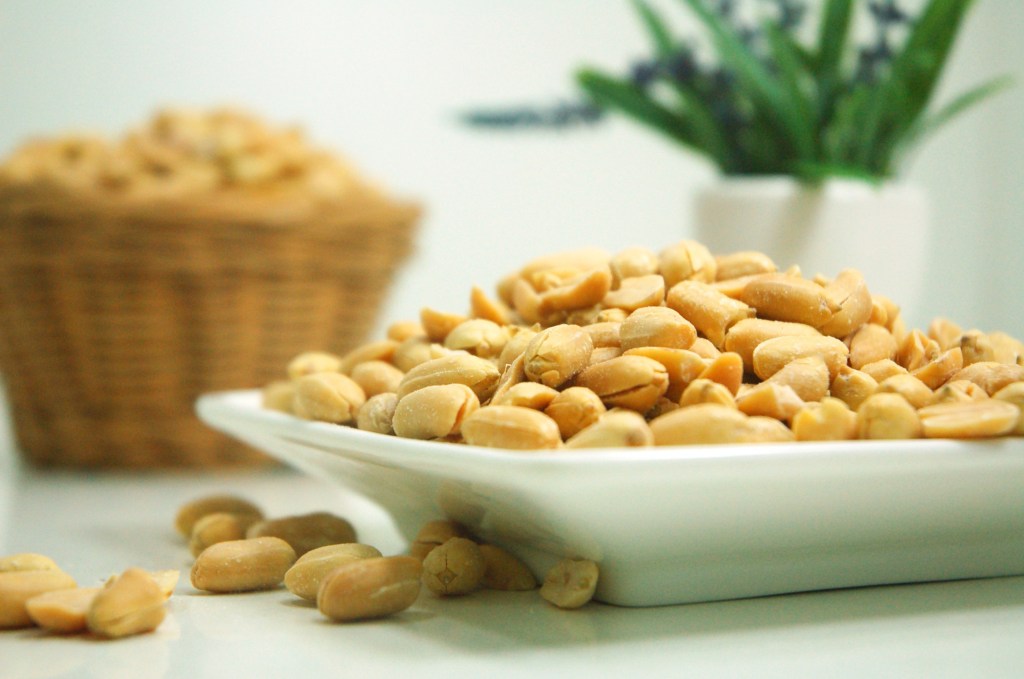
The most common food allergies can be further classified into ‘IgE-mediated’ allergy and ‘non-IgE-mediated’ food allergy. IgE-mediated allergies occur when someone has developed an antibody (IgE) response to an antigen (food allergen). Non-IgE-mediated allergies occur as a result of T-cells of the immune system recognizing the allergen as a threat and therefore releasing inflammatory signals.
IgE-Mediated Food Allergies: The Fast Responders
Symptoms of an IgE-mediated food allergy begin minutes after food ingestion but can occur up to 2 hours later. While it is not a one size fits all approach, the severity of a reaction typically depends on the type of immune response and the type of food.
A severe allergic reaction can trigger anaphylaxis, a life-threatening condition that requires immediate medical treatment. Symptoms include:
- Difficulty breathing or talking
- Swelling of the tongue
- Tightness in the throat
- Dizziness or loss of consciousness
An anaphylactic response is treated with adrenaline. People at risk of anaphylaxis usually carry a device containing adrenaline, like an EpiPen, in case of emergencies.
Non-IgE-Mediated Food Allergies: The Delayed Reactions
A non-IgE mediated immune response is a delayed reaction which affects the digestive system. The reaction occurs 1-72 hours after ingestion and is usually less severe. There are different types of non-IgE mediated reactions which can cause a range of symptoms such as:
- Vomiting
- Diarrhoea
- Mucus in stool
- Abdominal discomfort
- Rash
What Is a Food Intolerance? Common Symptoms and Causes
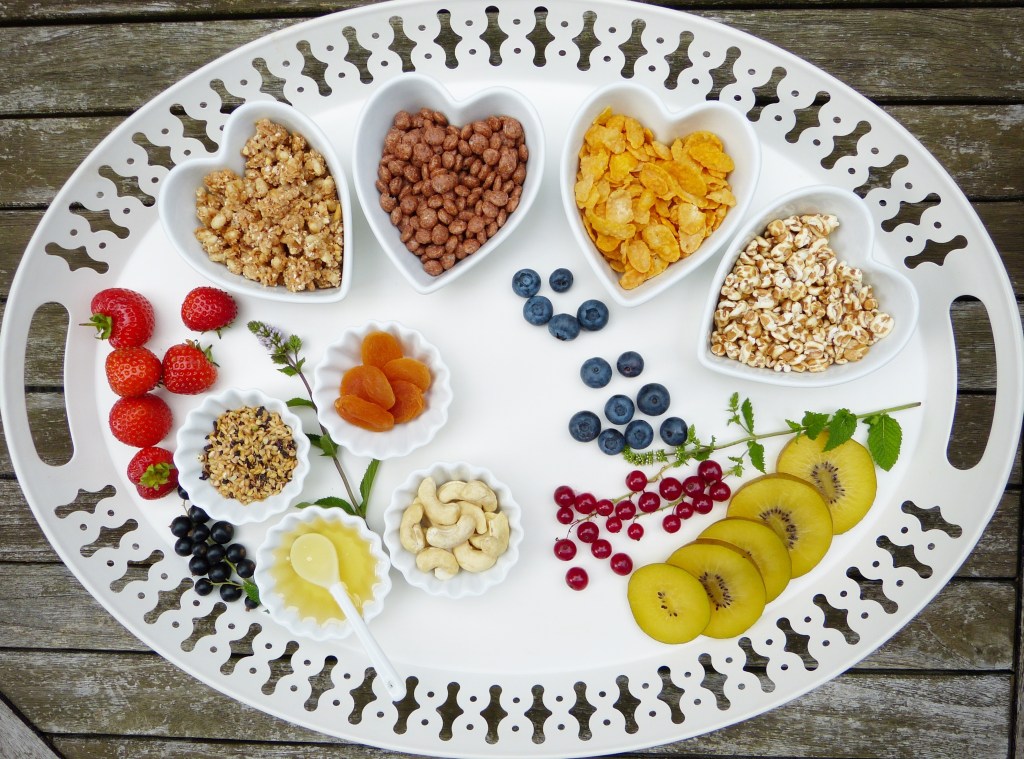
Food intolerances primarily affect the digestive system. In these responses, the body has an inability to digest a certain food. Typically, a small amount of the food can be eaten without any trouble. In some cases, a reaction can be prevented with medication. Symptoms of a food intolerance include:
- Bloating
- Gas
- Diarrhoea
- Abdominal pain
- Nausea
Food intolerances also tend to exacerbate other conditions such as migraines and seasonal rhinitis. It is important that these conditions are identified or excluded by a doctor before explained by food intolerance. Working with a doctor and dietitian will help you balance safe exclusion of a food, management of a medical condition and maintain nutritional adequacy.
There are different reasons why someone may have a food intolerance. It can be due to changes in the gut or digestive system or other factors that affect how the body processes certain foods. For example, a common food intolerance is lactose intolerance. This occurs when the body does not produce enough of an enzyme called lactase, which is needed to break down lactose in milk. When lactose is not properly digested it can cause symptoms such as bloating, abdominal pain, gas and diarrhoea.
Food Allergy vs Food Intolerance: Key Differences Explained

In simple terms, a food allergy affects the immune system while a food intolerance affects the digestive system. Symptoms of food intolerance are usually less severe than a food allergy. However, they both should be managed by health professionals to make sure individuals can manage their condition and maintain a balanced diet.
| Food Allergy | Food Intolerance | |
Body system involved | Immune system | Digestive |
Cause | Immune reaction to food proteins | Difficulty digesting a food |
Amount needed to cause reaction | Small amounts can cause a reaction | Depends on the person and the amount consumed |
Severity | Can be life – threatening | Usually causes uncomfortable digestive systems |
How to Tell if You Have a Food Allergy or Food Intolerance

Testing for a food allergy or food intolerance should always be done with the guidance of a medical practitioner and dietitian.
How Food Allergies Are Diagnosed
Skin prick test: A small amount of the allergen is placed on the skin and the skin is gently pricked. If a raised, itchy bump develops, it means sensitisation has occurred. This suggests a food allergy, but must always be confirmed by an Immunologist.
Blood tests: A blood test can measure allergen specific antibodies. The results alongside a person’s medical history and symptoms can help diagnose a food allergy.
Oral food challenge: This is the best way to diagnose a food allergy. This involves eating gradually increasing amounts of the suspected food under close medical supervision. Symptoms are monitored in a safe environment with immediate access to emergency treatment if needed.
How Food Intolerances Are Identified
Food intolerances can be difficult to diagnose as symptoms are often similar to other digestive conditions. Healthcare professionals may first investigate whether symptoms are caused by a food allergy or another medical condition.
Medical history and symptoms: A healthcare professional will ask about symptoms, diet and medical history to see if they can identify any patterns or rule out other possible causes.
Food diary: Keeping a record of food eaten and symptoms experienced can help identify patterns and determine whether certain foods may be triggering symptoms.
Food exclusion and reintroduction: A suspected food is removed from the diet for a period and then gradually reintroduced while symptoms are monitored.
Should You See a Dietitian for Food Allergy or Food Intolerance Symptoms?

An Accredited Practicing Dietitian can help identify and manage food intolerances, and support long-term management of food allergy. They work alongside doctors and allergy specialists to support diagnosis and develop an individualised nutrition plan. This can be particularly important for monitoring growth in children, but just as important in adults navigating newfound reactions.
Take Control of Food Allergy and Food Intolerance Symptoms With Expert Support
Figuring out how to manage food allergies and food intolerances can be difficult. You don’t need to navigate this on your own – work with Nadia Mazari, APD to bring food variety, confidence and an understanding of your health back in your hands.
This was a guest post by student dietitian, Freyja Warwick.
 Nadia Mazari | Thoughtfully Nutrition